Weather Watch vs Warning: What Each Alert Means
A watch means conditions could support severe weather; a warning means the hazard is happening or expected soon. Prepare during a watch, then follow official instructions promptly when a warning is issued.
On this page (7 sections)
- What does a weather watch mean?
- What does a weather warning mean?
- Is a watch or warning more serious?
- How are weather watches and warnings different by hazard?
- How can a NOAA weather radio help with alerts?
- How do watches and warnings reach your radio?
- How should you respond to a weather watch vs warning?
A weather watch means conditions could support severe weather; a warning means the hazard is happening or expected soon. Prepare during a watch, then follow official instructions promptly when a warning is issued.
The terms can sound similar, but they signal different levels of urgency. The right action depends on the hazard, the area covered, and the instructions in the alert.
What does a weather watch mean?
A weather watch means severe weather is possible in the area and timeframe named in the alert. It gives you a chance to prepare while the hazard may still be developing.
For example, a tornado watch means conditions are favorable for tornadoes to form. It does not mean a tornado has been sighted at your location.
Use the time to check the forecast, charge your phone, and identify a safe place. Keep alerts on and review updates, since watches can change as conditions develop.
What should you do during a weather watch?
During a watch, get ready to act if an alert becomes more urgent. Know where you will go, gather essentials, and make sure you can receive updates if power or internet service becomes unreliable.
If you have a NOAA weather radio, keep it powered and set for alerts in the places you care about. A radio can provide another way to hear updates, but follow local emergency officials' instructions.
What does a weather warning mean?
A weather warning means a hazardous event is occurring, has been detected, or is expected soon in the area named. It calls for prompt attention and action based on the alert's instructions.
A tornado warning, for instance, means a tornado has been reported or indicated by radar. Don't wait to see it before taking the protective action officials recommend.
Warnings are specific to a hazard and location. Read the message for the affected area, timing, and safety steps, and keep following official updates.
What should you do when a warning is issued?
When a warning arrives, follow the safety instructions right away. Move to the recommended shelter or take the stated precautions, then continue monitoring updates.
Don't rely on a single alert channel. Keep your phone alerts enabled and use local official sources; a weather radio can add a broadcast source when you need updates at home or during an outage.
Is a watch or warning more serious?
A warning signals a more immediate threat than a watch. A watch means the weather could become dangerous; a warning means the hazard is happening or expected soon.
Neither term guarantees what will happen at every address. Alerts cover an area, and conditions can vary within it, so pay attention to the location and instructions in each message.
How are weather watches and warnings different by hazard?
The watch-and-warning distinction stays similar across hazards: a watch means possible, while a warning means imminent or occurring. The specific protective action changes with the type of weather.
For severe thunderstorms, a watch means severe storms may develop, while a warning means a severe storm is occurring or expected soon in the warned area. For winter weather, alert names and criteria vary, so read the full message instead of assuming every hazard uses the same terms.
A tornado or flash flood warning can call for urgent protective action. Follow the alert's directions and local guidance, since shelter advice differs by hazard.
How can a NOAA weather radio help with alerts?
A NOAA weather radio can receive weather broadcasts and, on alert models, sound when relevant hazards are sent. Some models support localized programming so you can limit alerts to selected counties.
The Midland WR120B supports S.A.M.E. programming for up to 25 counties and color-coded alert indicators. It covers more than 60 kinds of weather hazards and emergencies.
For a home radio with multiple alert options, the Midland WR400 offers county programming, voice alerts, a siren alarm, and a visual LED flasher. It can also switch from AM/FM mode to relevant all-hazard alerts.
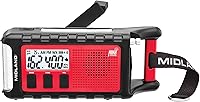
The Midland ER310PRO is a portable option with NOAA weather scan and alert, plus solar and hand-crank charging. Its rechargeable battery can charge external devices.
Choose based on where you need alerts and how you plan to power the radio. See our NOAA weather radio guide for more help comparing alert radios.
How do watches and warnings reach your radio?
Weather information reaches radios through NOAA Weather Radio broadcasts on designated channels. Some radios scan for a strong weather channel, while alert-capable models can sound when a warning is broadcast.
A radio's alert setup matters. Read NOAA weather radio frequencies and channels to learn how to tune in, and check your radio's instructions for local programming and alert settings.
If your radio isn't sounding, check its power, reception, volume, and alert setup. Our guide to troubleshooting a NOAA weather radio covers common checks.
How should you respond to a weather watch vs warning?
For a watch, prepare and monitor; for a warning, act on the official instructions promptly. Keep a reliable way to receive updates and know where to find local guidance.
If you want a home radio with county settings, compare the WR120B and WR400.
If you need portable charging options, consider the ER310PRO. For broader radio choices, start with our weather radio comparisons.
FAQs
What is the difference between a weather watch and a warning?
A watch means weather conditions are favorable for a hazard to develop in the watch area. A warning means the hazard has been reported, detected, or is expected soon, so act according to local emergency instructions.
A watch calls for readiness; a warning calls for prompt action.
Which is more serious, a watch or a warning?
A warning signals a more immediate threat than a watch. A watch gives you time to prepare because severe weather could develop; a warning means the hazard is occurring or expected soon.
Take either seriously and follow advice from local officials and the National Weather Service.
What should I do during a weather watch?
Use a watch to prepare before conditions worsen. Check local forecasts, charge phones, gather supplies, and identify a safe place.
Keep a way to receive updates nearby, since a watch can change or expire as forecasters learn more.
What should I do when a weather warning is issued?
Follow the warning's instructions immediately, such as moving to a safe shelter when directed. Keep monitoring official updates and don't wait to see the weather yourself.
The right action depends on the hazard and your location, so read the alert details.
Frequently asked questions
What is the difference between a weather watch and a warning?
A watch means weather conditions are favorable for a hazard to develop in the watch area. A warning means the hazard has been reported, detected, or is expected soon, so act according to local emergency instructions.
A watch calls for readiness; a warning calls for prompt action.
Which is more serious, a watch or a warning?
A warning signals a more immediate threat than a watch. A watch gives you time to prepare because severe weather could develop; a warning means the hazard is occurring or expected soon.
Take either seriously and follow advice from local officials and the National Weather Service.
What should I do during a weather watch?
Use a watch to prepare before conditions worsen. Check local forecasts, charge phones, gather supplies, and identify a safe place.
Keep a way to receive updates nearby, since a watch can change or expire as forecasters learn more.
What should I do when a weather warning is issued?
Follow the warning's instructions immediately, such as moving to a safe shelter when directed. Keep monitoring official updates and don't wait to see the weather yourself.
The right action depends on the hazard and your location, so read the alert details.